

Description
Product Overview
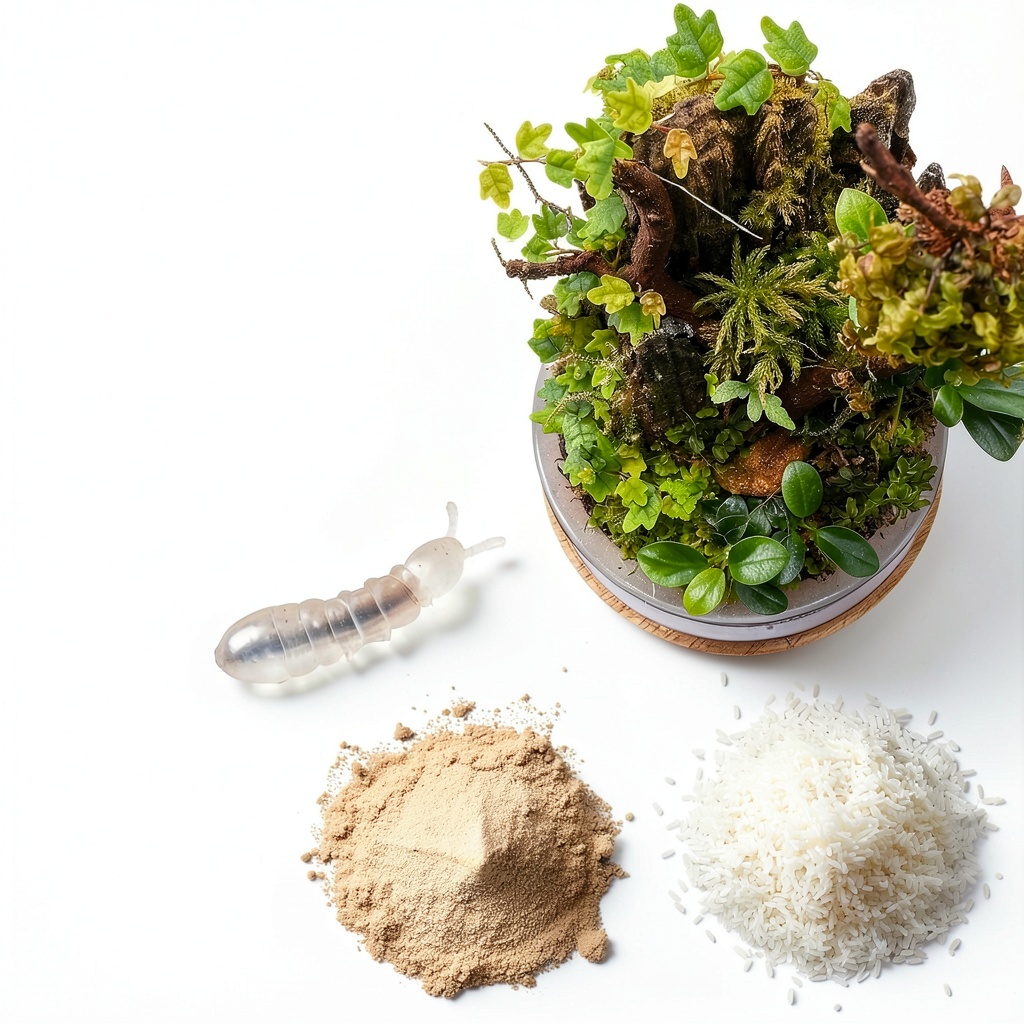
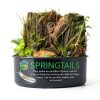
![[Product front view showing all components]](https://www.bigzen.store/wp-content/uploads/2026/07/e3daaee2247f4440958a979d74a64d06.jpg)
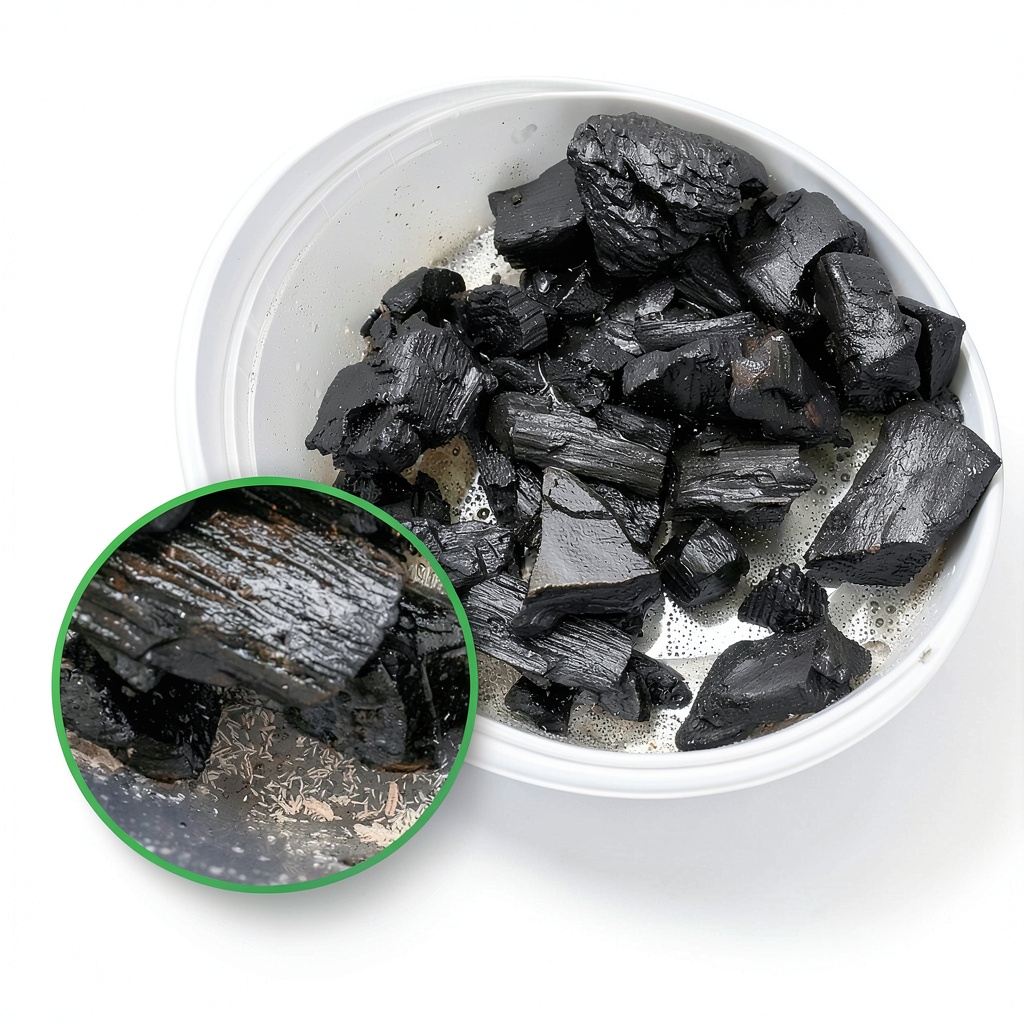
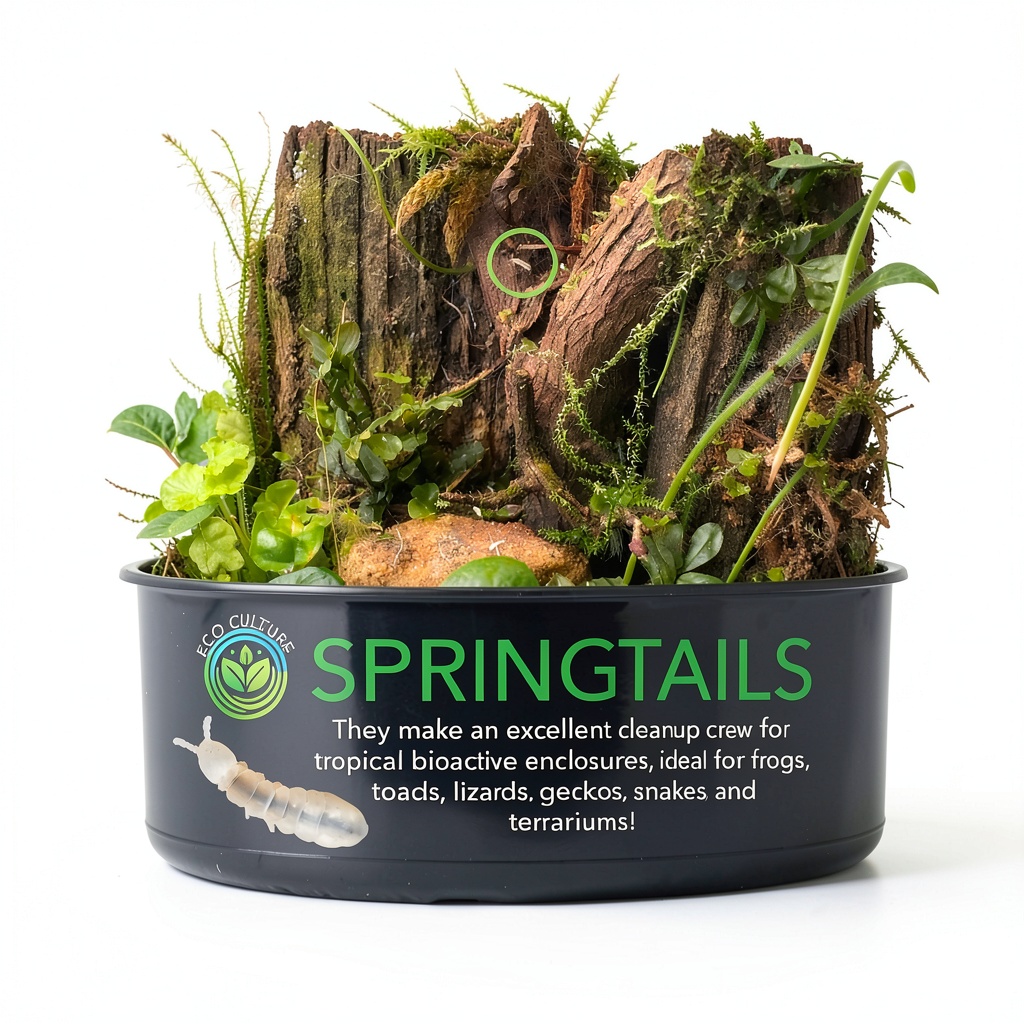
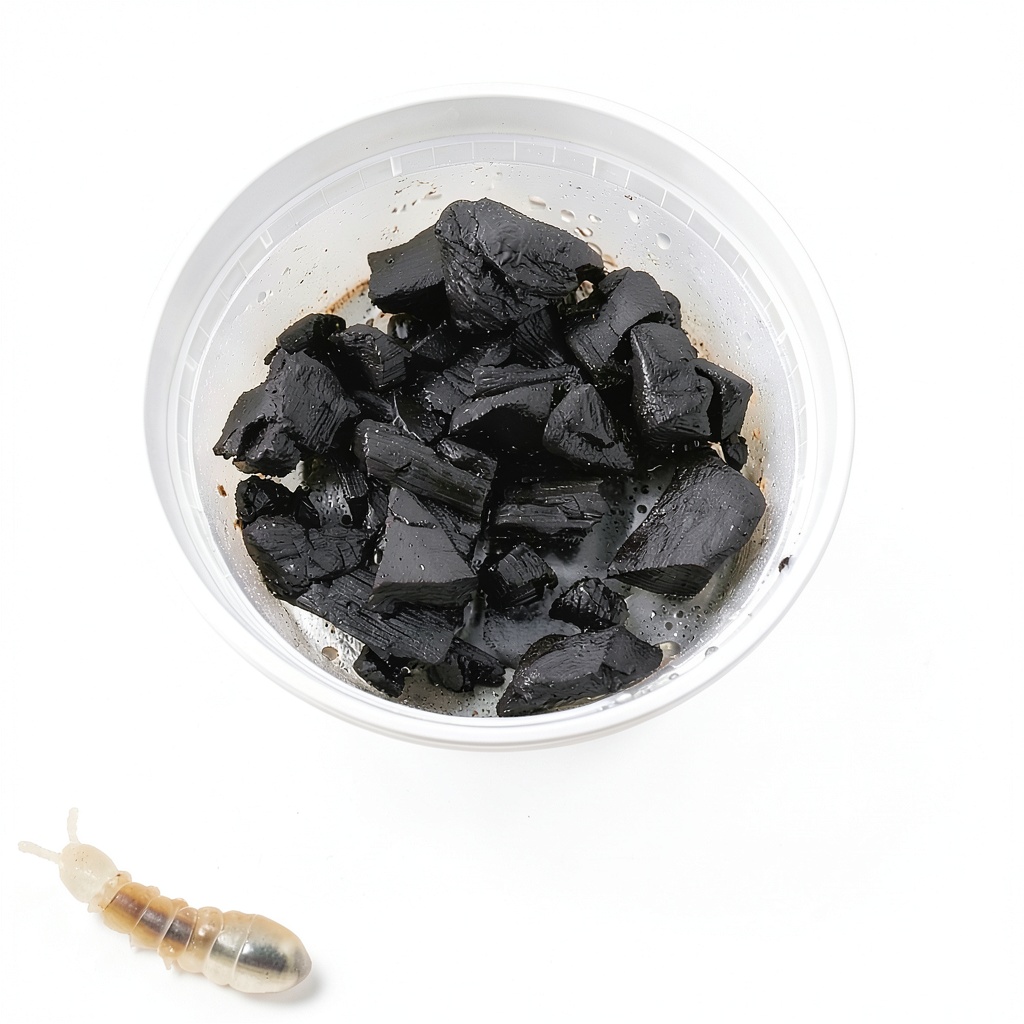
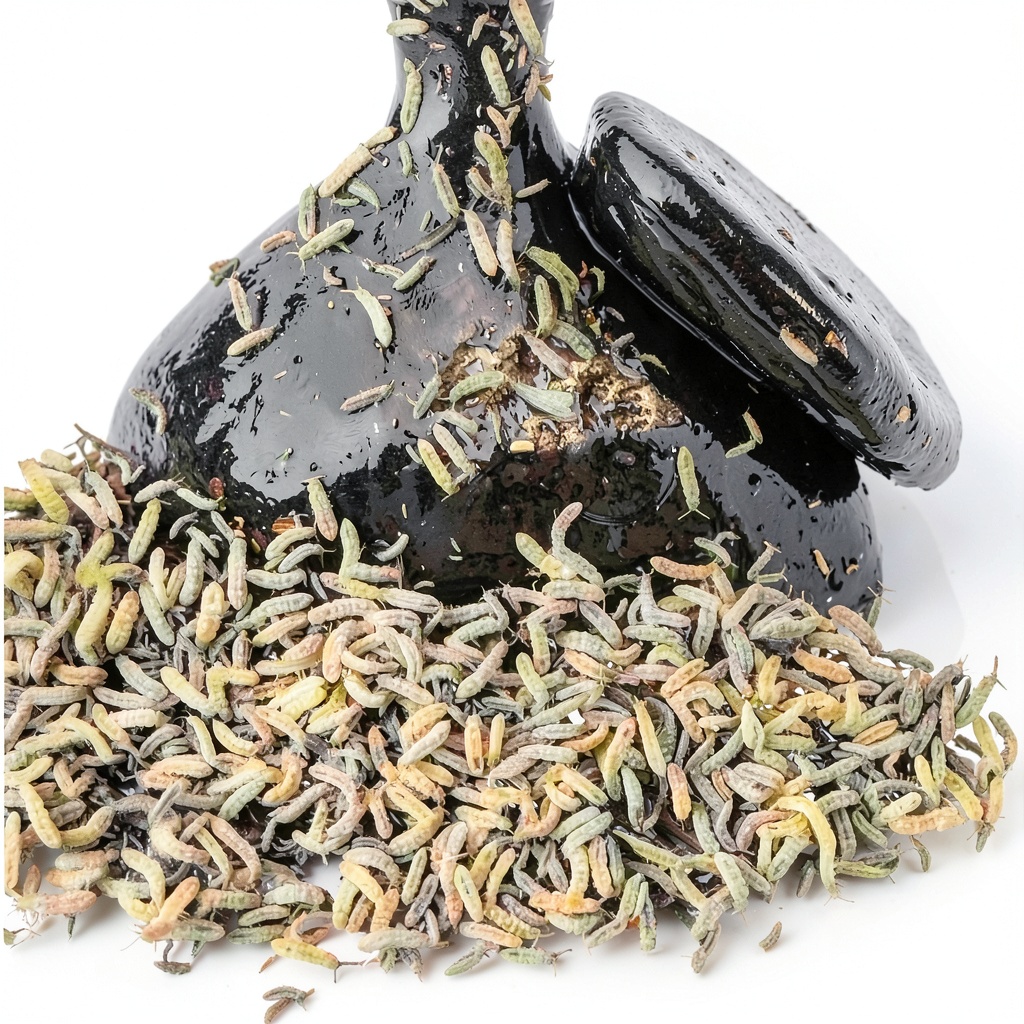
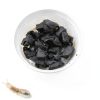
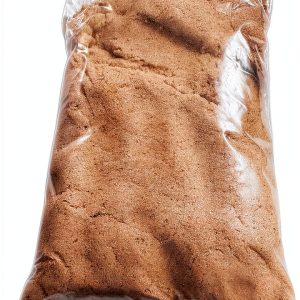
Eco Culture Live Springtails are a living substrate designed to bring a thriving, self‑sustaining ecosystem to any terrarium, vivarium, or small plant enclosure. Each 8 oz container is filled with a charcoal‑based medium that provides the ideal moisture balance, aeration, and nutritional foundation for springtail colonies to establish quickly and remain healthy for months without additional input. The charcoal substrate not only supports the insects but also acts as a natural filter, absorbing excess moisture and helping to control odors that can develop in closed environments. With a compact size of 5 × 5 × 2 inches, the culture fits easily into standard terrarium setups, and the sealed packaging ensures that the springtails arrive alive and ready to work. The product is manufactured by Eco Culture, a company known for its commitment to sustainable, bioactive solutions for reptile and amphibian keepers. According to the manufacturer’s specifications, each container contains more than 1,000 active springtails, providing an immediate population that will reproduce rapidly, creating a continuous cleanup crew that breaks down waste, mold, and decaying plant material. This biological approach reduces the need for chemical cleaners and minimizes the frequency of manual substrate changes, allowing hobbyists to focus on observation and enrichment rather than maintenance. The culture also serves as a supplemental live food source; many small amphibians, reptiles, and invertebrates readily accept springtails as a protein‑rich snack, making the product a dual‑purpose addition to any bioactive terrarium. The included care guide offers step‑by‑step instructions for seeding, humidity management, and colony expansion, ensuring that even beginners can achieve successful results. Because the springtails reproduce quickly, a single 8 oz container can sustain a colony that supports multiple terrariums or larger setups for years, providing long‑term value and ecological benefit.
The charcoal base used in Eco Culture’s substrate is sourced from sustainably harvested hardwood that has been activated through a low‑temperature pyrolysis process, creating a porous structure that retains moisture without becoming waterlogged. This property is essential for springtails, which thrive in humid environments but are vulnerable to drowning if the substrate becomes saturated. The porous charcoal also provides a large surface area for beneficial microbes to colonize, fostering a miniature composting system that further breaks down organic waste and releases nutrients back into the terrarium. Because the medium is inert and free of chemical additives, it does not alter the pH of the enclosure, making it compatible with a wide range of plant species and animal husbandry requirements. The packaging is made from recyclable cardboard with an inner biodegradable film that protects the culture during shipping while minimizing environmental impact. Each container includes a printed QR code that links directly to an online care guide, video demonstrations, and a community forum where users can share experiences, ask questions, and receive updates on best practices. This integrated approach ensures that both the springtails and the terrarium ecosystem receive the support they need from the moment the product is opened.
Feedback from the reptile‑keeping community highlights the rapid impact of Eco Culture Live Springtails on enclosure cleanliness and animal health. Many users report a noticeable decline in visible waste and mold within the first two weeks of introducing the culture, attributing the improvement to the springtails’ voracious appetite for detritus and fungal spores. In addition, several hobbyists have observed increased activity and appetite in their dart frogs and geckos after incorporating springtails into the diet, noting that the insects provide essential amino acids and chitin that support skin shedding and immune function. The long‑term stability of the colony also reduces the frequency of substrate changes, allowing keepers to maintain a more naturalistic environment with live plants and décor that would otherwise be compromised by frequent cleaning. Testimonials frequently mention the ease of use; the care guide’s clear instructions enable even beginners to achieve a thriving colony without the need for specialized equipment or complex maintenance routines. This combination of effective waste management, nutritional benefits, and user‑friendly implementation makes the product a staple for both new and seasoned terrarium enthusiasts.
Usage
The Eco Culture Live Springtails are ideally suited for a wide range of terrarium applications, from modest 5‑gallon reptile enclosures to larger 30‑gallon vivarium landscapes that house dart frogs, leaf‑loving geckos, and small invertebrate species. By scattering the 8 oz charcoal substrate across the base of the enclosure, hobbyists create a moist microhabitat that encourages springtails to emerge from the medium and disperse throughout the habitat, where they will seek out organic debris, shed skin, and fungal growth. This natural scavenging action reduces visible waste and helps maintain water quality, which is especially important in humid setups where mold can proliferate quickly. For plant‑focused terrariums, the springtails also assist in breaking down leaf litter and encouraging beneficial microbial activity, promoting healthier root systems and more vibrant foliage. The product’s versatility extends to use as a live feeder; many amphibians such as poison dart frogs, fire-bellied toads, and small salamanders readily accept springtails as a primary protein source, while reptiles like crested geckos and leopard geckos enjoy them as a supplemental snack that mimics natural prey. Because the springtails reproduce at a rapid rate, a single container can sustain feeding needs for several months before additional cultures are required. The care guide recommends maintaining a relative humidity of 70‑80 % within the substrate and providing a light source that mimics natural day‑night cycles, which together support both colony health and the overall wellbeing of the terrarium’s inhabitants. Users are encouraged to monitor the substrate’s moisture level by gently squeezing a small sample; if it feels dry, a few drops of dechlorinated water can be added to restore optimal conditions. Over time, the colony will expand, and the visible springtail activity will become a fascinating educational feature for observers, illustrating the principles of a living ecosystem in miniature.
Maintaining a healthy springtail colony requires only minimal attention, making it an ideal choice for both novice and experienced keepers. After seeding the charcoal substrate, the recommended practice is to mist the surface lightly once or twice daily for the first week, allowing the moisture to penetrate the medium without creating standing water. As the colony establishes, the frequency of misting can be reduced to two or three times per week, depending on ambient humidity and the specific needs of the terrarium’s inhabitants. It is important to avoid over‑feeding the springtails; a small piece of leaf litter, a slice of apple, or a few drops of a diluted vegetable broth provide sufficient nutrition without causing excess waste. Regular observation of springtail activity—visible movement on the substrate surface and occasional clustering under décor—serves as an indicator of colony health. If activity appears to decline, a gentle addition of fresh charcoal and a brief increase in misting can revitalize the population. For larger setups, multiple containers can be distributed across the enclosure to ensure even coverage and to prevent localized depletion of resources. The springtails also play a role in plant health by breaking down organic debris that would otherwise accumulate around roots, thereby improving nutrient cycling and reducing the risk of fungal infections. By integrating the springtail culture into a broader bioactive system that includes clean‑up crews such as isopods and beneficial bacteria, hobbyists can create a self‑regulating environment that mimics natural forest floor dynamics.
When combined with other bioactive elements such as isopods, earthworms, and beneficial bacterial cultures, the springtail substrate becomes a cornerstone of a fully functional micro‑ecosystem. Isopods excel at breaking down larger pieces of leaf litter and wood, while springtails focus on finer organic particles and fungal spores, creating a complementary division of labor that accelerates decomposition and nutrient recycling. The presence of both groups also encourages a more diverse microbial community, which can suppress pathogenic bacteria and promote plant growth. Hobbyists often layer a thin sheet of the charcoal substrate beneath a top layer of coconut fiber or sphagnum moss, providing the springtails with a stable base while offering a visually appealing surface for plants and décor. This layered approach allows moisture to be retained where needed while preventing water from pooling, thereby protecting both the springtails and the terrarium’s inhabitants from potential health issues. Regularly rotating the placement of the springtail containers within the enclosure can further distribute the cleanup crew throughout the habitat, ensuring that no single area becomes overloaded with waste. By thoughtfully integrating the springtail culture with other bioactive organisms, keepers can achieve a self‑sustaining environment that mirrors the complexity of natural forest floors, reducing the need for manual intervention and enhancing the overall vitality of the terrarium.
Why Choose Us
Choosing Eco Culture Live Springtails means investing in a product that combines scientific research, sustainable sourcing, and practical design to deliver a reliable bioactive solution for terrarium enthusiasts. The springtails are cultivated in a controlled laboratory environment that adheres to strict hygiene standards, ensuring that each culture is free from pathogens, parasites, and unwanted contaminants. This level of quality control distinguishes the product from generic bulk springtail offerings that may arrive dead or carry hidden risks. Eco Culture’s commitment to sustainability is reflected in the use of renewable charcoal derived from responsibly managed hardwood forests, providing a carbon‑rich substrate that not only supports the insects but also contributes to the overall carbon cycle within the terrarium. Each container undergoes a rigorous viability test before shipment, guaranteeing that a minimum of 1,000 active springtails are present and ready to establish a colony upon arrival. The brand also offers a comprehensive after‑sales support system; customers can access detailed FAQs, video tutorials, and direct email assistance from knowledgeable staff who can troubleshoot issues such as humidity imbalance, colony stagnation, or feeding challenges. In addition, the product’s packaging is designed for live arrival, featuring breathable yet secure seals that maintain the appropriate microclimate during transit, reducing stress on the insects and increasing the success rate of colony establishment. Eco Culture continuously gathers feedback from the reptile‑keeping community to refine its formulations, and the company’s reputation as a leader in bioactive terrarium supplies is reinforced by its high ranking in the Amazon Best Sellers list for terrarium substrate. By selecting this 8 oz charcoal substrate, hobbyists receive a turnkey solution that delivers immediate waste‑management benefits, a reliable live food source, and long‑term ecological stability, all backed by a brand that prioritizes customer success and environmental responsibility.
Each batch of Eco Culture Live Springtails undergoes a series of laboratory tests that verify colony viability, moisture content, and absence of contaminants before the product is released to the market. The quality assurance protocol includes microscopic examination to confirm the health of the springtails, as well as microbial assays that ensure the substrate does not harbor harmful bacteria or fungi. The company also complies with international standards for live animal transport, adhering to guidelines that protect both the insects and the environment during shipping. These rigorous procedures give customers confidence that the culture they receive is both safe and effective, reducing the risk of failed colonies that can result from sub‑standard products. In addition, Eco Culture maintains a transparent supply chain, sourcing charcoal from certified sustainable forests and using packaging materials that meet ISO 14001 environmental management criteria. This commitment to high‑quality production and ecological responsibility resonates with hobbyists who prioritize ethical sourcing and long‑term sustainability in their terrarium projects.
Key Features
- Rapid colony establishment with over 1,000 live springtails per 8 oz container
- Charcoal substrate provides optimal moisture retention and natural odor control
- Dual purpose as a waste‑cleanup crew and nutritious live feeder for amphibians and reptiles
- Sustainable, renewable charcoal sourced from responsibly managed hardwood forests
- Dedicated customer support with detailed care guide, FAQs, and direct email assistance
FAQ
How often should I mist the substrate after seeding?
Mist the surface lightly once or twice daily for the first week to keep the medium moist but not soggy. After the colony is established, reduce misting to two or three times per week, adjusting based on ambient humidity and the needs of your terrarium’s inhabitants.
Can I use the springtails as a food source for my dart frogs?
Yes, springtails are an excellent protein‑rich snack for dart frogs, fire‑bellied toads, and many small reptiles. Offer them in small batches; the insects are readily accepted and provide essential nutrients that support growth and skin shedding.
What temperature range is optimal for springtail colony growth?
Springtails thrive between 68 °F and 78 °F (20 °C‑26 °C). Maintaining this temperature range, along with proper humidity, promotes rapid reproduction and a healthy, active colony.
How do I know if the colony is healthy and active?
Visible movement on the substrate surface, occasional clustering under décor, and a steady increase in numbers indicate a healthy colony. If activity slows, check moisture levels and consider adding a small amount of fresh charcoal to revitalize the population.




 Wellhouse Waterproof Phone Case for Cell Phones
  Ritchey Comp Bar Ends for MTB and Hybrid Bikes
 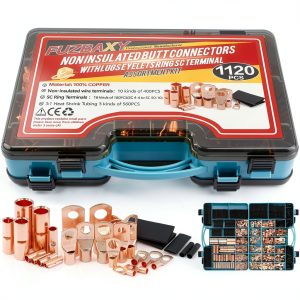 Fuzbaxy Pure Copper Butt Connectors Kit 1120pcs with 560 Shrink Tubes
  MUQIDA Dual Stud Bus Bar Terminal Block Nickel Brass Housing M10
Reviews
There are no reviews yet.